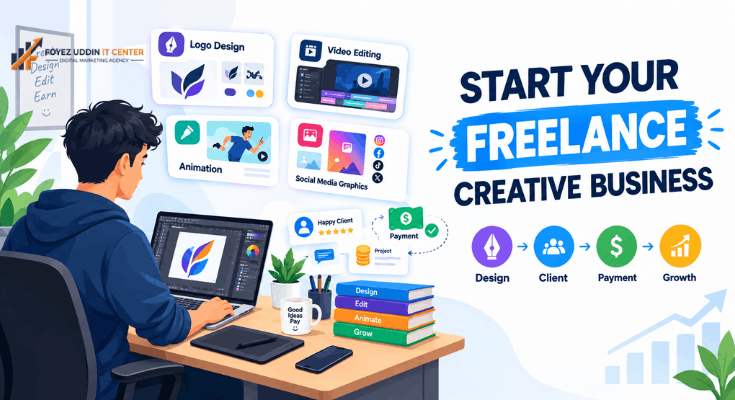
A freelance graphics and multimedia business offers creative services to clients. These services include logo design, video editing, animation, and social media graphics.
You work independently. You choose your own clients. You set your own hours.
For example, a freelancer might design Instagram posts one day. The next day, they could edit a promotional video. This variety makes the work exciting.
Running a freelance graphics and multimedia business also means wearing many hats. You are the designer, marketer, and accountant all at once.
Why Start This Business Now?
Demand for visual content keeps growing. Businesses need graphics for websites, ads, and social media. Therefore, skilled freelancers are always in demand.
Here are a few reasons this business model works well for beginners:
- Low startup costs compared to traditional businesses
- Flexible schedule that fits around other commitments
- Global client base thanks to remote work platforms
- No coding required to design, sell, or deliver your work
However, success does not happen overnight. You need the right foundation first.
A well-planned freelance graphics and multimedia business can replace a full-time salary. Many freelancers achieve this within their first year.
Skills You Need Before Starting
You do not need to master every design skill immediately. However, a few core abilities matter most.
Focus on developing these skills first:
- Basic composition and layout principles
- Color theory for branding and mood
- Typography for readable, attractive designs
- Client communication skills for smooth projects
- Time management to hit deadlines consistently
These skills form the backbone of any successful freelance graphics and multimedia business. Technical software skills come second. Creative judgment matters more in the long run.
Step 1: Choose Your Creative Niche
Trying to do everything leads to burnout. Instead, pick one or two specialties.
Popular niches include:
- Logo and brand identity design
- Social media graphics and templates
- Video editing and short-form content
- Motion graphics and simple animation
- Presentation design for businesses
Choosing a niche helps you market yourself clearly. It also helps clients understand what you offer immediately.
A focused niche also makes your freelance graphics and multimedia business easier to promote. Vague offers confuse potential clients.
Step 2: Learn Essential Tools (No Coding Needed)
You do not need programming knowledge to run a freelance graphics and multimedia business. Instead, focus on visual design tools.
Beginner-friendly options include:
- Canva for quick graphics and templates
- Adobe Express for social media content
- CapCut for beginner-friendly video editing
- Adobe Photoshop and Premiere Pro for advanced work later
Start with free or low-cost tools. Upgrade once you land paying clients.
Many successful freelancers built their entire freelance graphics and multimedia business using only Canva and CapCut. Expensive software is not required to start.
Step 3: Build a Portfolio Without Coding Skills
Clients want proof of your skills before hiring. Therefore, a portfolio is essential.
If you have no coding knowledge, use a website builder instead. Platforms like Wix, Squarespace, or Canva Websites let you build a professional site with drag-and-drop tools.
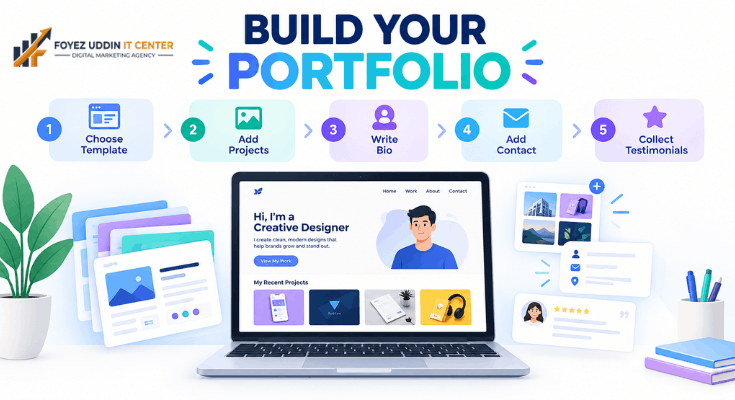
Follow these steps to build your portfolio site:
- Choose a simple, clean website template
- Upload your best 5 to 10 sample projects
- Add a short bio explaining your services
- Include clear contact information
- Add client testimonials once available
If you have no client work yet, create sample projects. Design a fake brand or mock social media campaign. This still shows your skill level.
Your portfolio represents your entire freelance graphics and multimedia business. Treat it as your most valuable marketing asset.
Step 4: Set Your Pricing Strategy
Pricing confuses most beginners. However, a simple structure works well when starting out.
Consider these common pricing models:
- Per-project pricing for logos, videos, or design packages
- Hourly pricing for ongoing or unpredictable work
- Package pricing that bundles multiple deliverables together
Research competitor pricing on freelance platforms first. This gives you a realistic starting point.
Start slightly lower than experienced freelancers. Then, raise your rates as your portfolio grows.
Pricing directly affects the sustainability of your freelance graphics and multimedia business. Undercharging leads to burnout, while fair pricing supports long-term growth.
Step 5: Find Your First Clients
Finding clients feels like the hardest part. However, several strategies make this easier.
Try these approaches:
- Freelance platforms like Fiverr, Upwork, or 99designs
- Social media outreach through Instagram or LinkedIn
- Local business outreach to shops, restaurants, or startups
- Referrals from friends, family, or past coworkers
For example, small business owners often need social media graphics. Reach out directly and offer a simple starter package.
Consistency matters more than perfection here. Send a few outreach messages every single day.
Your first few clients help validate your freelance graphics and multimedia business. Treat these early projects as opportunities to gather testimonials.
Step 6: Set Up Simple Business Systems
Running a freelance graphics and multimedia business requires basic organization. Fortunately, this does not require technical skills.
Set up these systems early:
- A simple invoicing tool like Wave or PayPal Invoicing
- A shared folder system using Google Drive or Dropbox
- A basic contract template to protect both parties
- A calendar tool to manage deadlines and calls
These systems save time later. They also make your business look professional.
Step 7: Understand Legal and Financial Basics
Many beginners skip this step. However, legal basics protect your business long term.
Consider these foundational tasks:
- Register as a sole proprietor or simple business entity
- Open a separate bank account for business income
- Track expenses for tax purposes throughout the year
- Set aside savings for tax payments quarterly
You do not need a lawyer to start. However, basic research prevents costly mistakes later.
A properly structured freelance graphics and multimedia business avoids legal headaches as it grows.
Step 8: Market Yourself Consistently
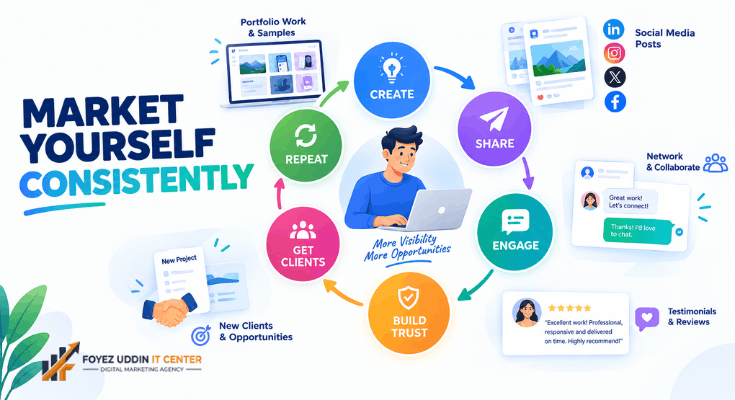
Marketing never truly stops, even after landing clients. Therefore, build habits early.
Focus on these ongoing marketing tasks:
- Post new work samples regularly on social media
- Ask satisfied clients for testimonials or reviews
- Share behind-the-scenes content to build trust
- Network within online creative communities
Over time, referrals and repeat clients become your biggest income source.
Consistent marketing turns a struggling freelance graphics and multimedia business into a thriving one. Visibility builds trust before clients ever contact you.
Step 9: Scale Your Business Over Time
Once you have steady clients, think about growth. Scaling does not always mean hiring employees.
Consider these scaling strategies:
- Raise your prices gradually as demand increases
- Create digital products, like templates or presets
- Offer retainer packages for recurring monthly income
- Outsource smaller tasks to other freelancers
Scaling transforms a one-person hustle into a sustainable freelance graphics and multimedia business. Growth should feel gradual, not overwhelming.
Essential Equipment for Beginners
You do not need expensive gear to start. A basic setup covers most beginner projects.
Consider starting with:
- A laptop or desktop with at least 8GB of RAM
- A stable internet connection for uploads and calls
- A graphics tablet (optional, for detailed illustration work)
- Cloud storage for backing up client files safely
Upgrade your equipment gradually. Reinvest early profits into better tools as your workload increases.
Communicating With Clients Effectively
Clear communication prevents most freelance disputes. Therefore, set expectations early in every project.
Follow these communication habits:
- Confirm project scope in writing before starting work
- Set revision limits to avoid endless changes
- Respond promptly, ideally within 24 hours
- Summarize calls in a follow-up email or message
Good communication builds trust quickly. Clients often return to freelancers who feel reliable and professional.
Building Long-Term Client Relationships
One-time projects help pay bills. However, long-term relationships build real stability.
Try these relationship-building tactics:
- Check in periodically after project completion
- Offer small bonuses for loyal, repeat clients
- Ask for feedback to improve future work
- Suggest new projects based on client goals
Strong relationships lead to steady referrals. Referrals often become the most reliable income stream over time.
Common Mistakes Beginners Make
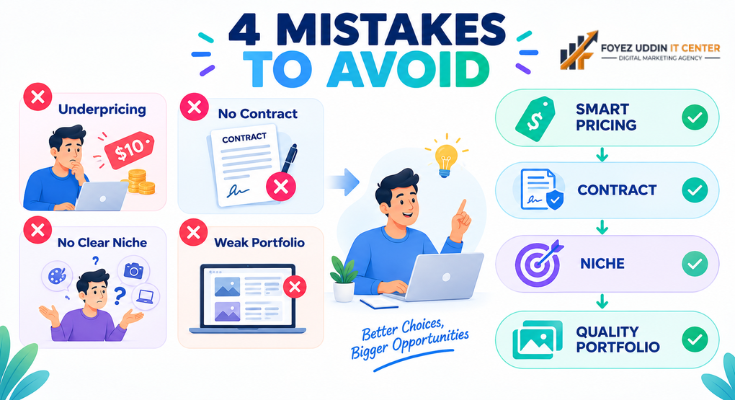
Many beginners repeat the same mistakes. Avoiding them saves time and frustration.
Watch out for these pitfalls:
- Underpricing services out of fear of rejection
- Skipping contracts, which leads to payment disputes
- Trying to serve everyone, instead of a clear niche
- Ignoring portfolio quality in favor of quantity
For example, working without a contract can lead to unpaid invoices. Always protect yourself with clear written agreements.
Avoiding these mistakes helps your freelance graphics and multimedia business grow faster and with less stress.
How Long Until You See Results?
Results vary based on effort and consistency. However, most beginners see initial client interest within one to three months.
Full-time income usually takes six months to a year. Therefore, patience and persistence matter most.
Keep improving your skills. Keep updating your portfolio. Growth follows consistent effort.
Final Thoughts
Starting a freelance graphics and multimedia business is achievable for anyone. You do not need coding skills or a huge budget.
Focus on one niche. Learn simple tools. Build a clean portfolio.
Then, market yourself consistently and stay patient. Success in this business comes from steady, repeated action.
A thriving freelance graphics and multimedia business starts with a single project. Start today.
Frequently Asked Questions
Do I need coding skills to start this business?
No. You can build a portfolio site using drag-and-drop website builders like Wix or Canva.
What tools should complete beginners start with?
Start with Canva for graphics and CapCut for video editing. Both are beginner-friendly and free.
How much can freelancers in this field earn?
Earnings vary widely. Beginners often start around $15 to $30 per project, while experienced freelancers charge much more.
Do I need a business license to start freelancing?
It depends on your country and local laws. Many beginners start as a sole proprietor, then register formally once income grows.
Which niche is easiest for complete beginners?
Social media graphics tend to be the easiest starting point. Templates and simple design tools make this niche approachable quickly.
Can I run this business part-time alongside a job?
Yes. Many freelancers start part-time and transition to full-time once client work becomes steady.
How do I handle clients who negotiate lower prices?
Stay firm on your minimum rate. Offer a smaller package instead of lowering your core pricing.
Do I need a logo or brand before taking clients?
No. A simple, clean portfolio matters more than branding at the start. You can refine your brand later.
What if I have no design experience at all?
Start with free tutorials on Canva or YouTube. Practice on personal projects before pitching real clients.
How do I keep clients coming back?
Deliver consistent quality and communicate clearly. Satisfied clients often return with repeat projects.
Is it too late to start in 2026?
No. Demand for visual content keeps rising every year. A new freelance graphics and multimedia business can still succeed with the right strategy and consistent effort.